
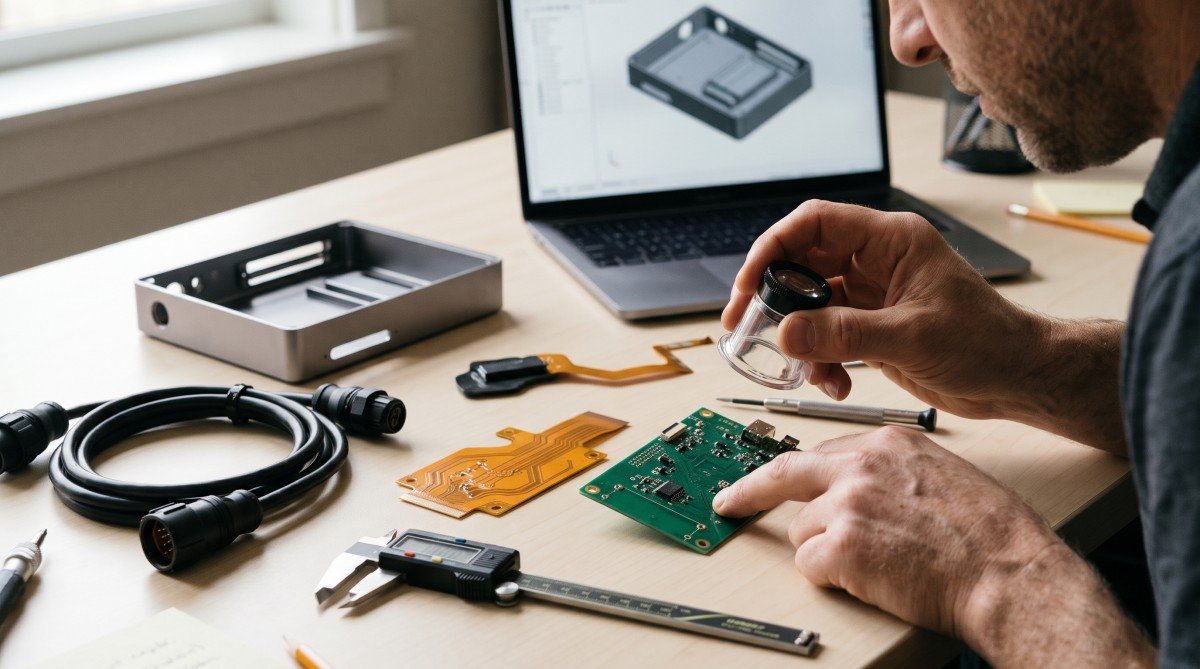
When software companies ask their founding CEOs what worries them most about hardware, cost is likely to be a major concern. Componenets become more expensive, the lead time is longer and the customer still expects to see a product that works on day one and lasts for year three.
The easy thing to do is to cut corners – cheaper parts, less testing, hurry up the assembly line. It invariably gets in the way. One set of returns can cancel out all those savings.
The great thing is that the most intelligent savings are rarely the result of cutting back. They involve better decisions at an earlier stage and the elimination of unnecessary waste you may not have known you had.

Start Where the Money Is Actually Decided
Most teams discover the hard way that a lot of the cost of the product has been determined in the design phase, well before any gets to the factory floor. When it comes to negotiating with a supplier, you can expect to be haggling with the crumbs.
Design for manufacturability (DFM) is important, that's why. Ask your manufacturing partner to review a design prior to finalizing. They'll see things that a software engineer would not: a connector that is not easily accessible, a tolerance that is tighter than the process can achieve, a board that consumes material on each panel.
One small example. A group, not a single story, was a group with a sensor board with three slightly different hole sizes to mount the board. Standardizing them reduced the factory's requirement for three fixtures to just one. The number of setups was reduced, error rates were reduced and nobody noticed any changes in the product except for the invoice.
Simplify Before You Optimize
Each distinct component is a cost. It must be sourced, stocked, inspected, and have a location within someone's workflow. So, ask a blunt question to your bill of materials: Do we really need all this?
Identify opportunities to:
Change out multiple identical parts for an identical part
Don't use fancy parts, buy parts that are easy to get.
Minimize the number of fasteners, cables and sub-assemblies
Fewer parts translates to fewer failure points, a quality improvement under the guise of cost reduction. It can also protect you when a shortage occurs in the supply as there are more alternatives for common parts.
Match the Specification to the Environment
Over engineering is a silent cost-cutter. Not all products require military-grade everything.
However, when it comes to cost, but underengineering is just as expensive—and that's where people trip up. The wiring cannot be a place of saving a few cents, if the device is placed outdoors, in a vehicle, or in a place which is influenced by moisture. By collaborating with a specialist waterproof wire harness manufacturer early in the design process you will be able to choose the appropriate wire harness sealing, connectors, and materials for the conditions your product will actually endure. This will eliminate the costly over-spec and the field failures resulting from guessing.
This principle applies to the entire product; trim where failure is not costly, spend where failure is.
Rethink the Board, Not Just the Price Per Unit
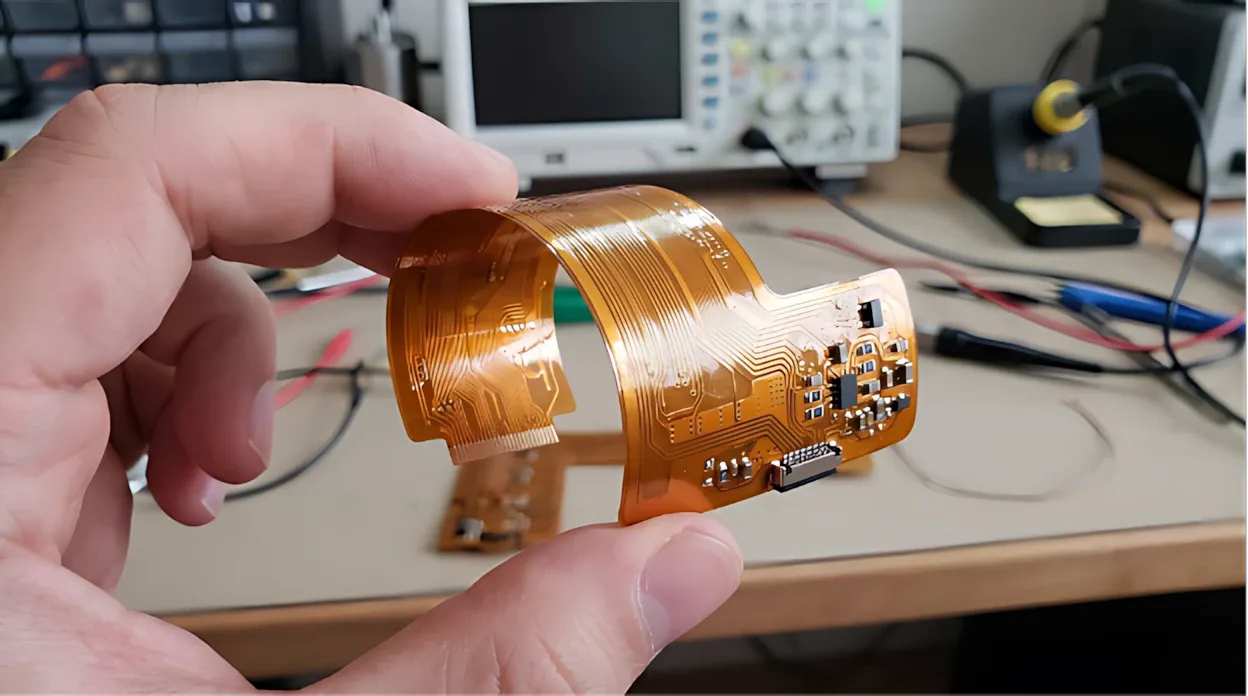
This rings true for printed circuit boards as well. A rigid board plus connectors plus cables can start to be costly in parts, labor, and failure points if your product is compact, has moving parts, or must fit into a difficult to get into enclosure.
In some cases, a flexible circuit is used as a single piece, instead of that. A quality Flex PCB Manufacturer will be able to give you a straight answer on whether flex is the right approach for your design or whether it would simply be a cost. This type of upfront honesty is priceless as opposed to a rock bottom offer, as the cheapest board on paper on the surface can cost more when rework and assembly time is taken into account.
Consolidate Your Supply Chain
Six vendors times one product equals six forms of communication, six quality assurance processes, and six opportunities for something to fall through the cracks. Each supply handoff is a potential site of delay, damage or misunderstanding.
That's why lots of growing companies consider consolidation. The turnkey box build assembly, in which one partner provides the entire components and the completed, tested component in its enclosure, can save a lot of overhead. Less contracting, less shipping and much less finger pointing when things go wrong because one team owns the entire results.
Not all businesses are suitable for it, especially if you have a high requirement for each step to be controlled. For many, however, the savings from saving on coordination alone is worth the value of the time.
Build Quality Into the Process, Not the End of It
The surprising fact is that the most cost-effective quality strategy is to catch defects early. A poor joint when discovered at inspection is a few pennies to correct. A replacement unit, both ways, a dent in your reputation, and time.
Concrete practices that assist:
Apply testing to more points than just the conclusion
Follow the defect cause instead of the defect count, to fix the cause of the problem
Have clear, written work instructions, so that results are not based on who is on shift
Not one of these sounds like a cut in expenses. One of the largest hidden costs in electronics manufacturing is scrap, rework, and returns – and the more that are reduced, the more real money will be saved.
Be Smart About Volume and Timing
People don't grasp how much order quantities will influence the price, but if they order too many, they will be stuck with money and the risk of products going bad. A middle ground is frequently best: make an educated guess, share that guess with suppliers, and work out the price tiers or release dates to ensure that you pay a lower price and don't have a warehouse full of inventory.
Also consider timing. Premiums are charged for rush orders and changes. Planning for production windows a couple weeks in the future can save money without anyone being aware of it.
Treat Suppliers Like Partners
Not all the cheapest quotes are the best. A supplier who truly knows your product, responds promptly to questions, and alerts you to issues before they become serious costs you less than a few fractions of a penny.
Long-term relationships also provide you with leverage that you don't have for one-off purchases. Reliable partners value reliable customers, and during shortages, this is so important.
Final Thoughts
Reducing manufacturing costs without sacrificing quality isn't about squeezing harder. It's about being thoughtful: designing for the factory, simplifying parts, matching specs to real conditions, choosing the right components and partners, and catching problems early.
Start small. Review one design for manufacturability, audit your bill of materials, or ask your suppliers where they see waste. Those modest steps tend to uncover savings that were hiding in plain sight, and your customers will never feel a thing, except a product that works as it should.



Leave a comment