
United States, November 23, 2026 -- As healthcare facilities seek more efficient ways to diagnose and monitor cardiovascular conditions, selecting appropriate electrocardiogram (ECG) equipment remains an important consideration for hospitals, cardiology practices, and primary care clinics.
Norav Medical, a developer of PC-based ECG and cardiac diagnostic systems, is highlighting the differences between five major categories of ECG equipment and the role that integrated technology can play in improving clinical workflows.
From routine resting examinations to extended heart rhythm monitoring, different ECG systems serve distinct diagnostic purposes. Understanding these differences can help healthcare providers select equipment suited to their patient populations, testing requirements, and existing clinical infrastructure.
Different ECG Technologies Address Different Clinical Needs
ECG technology records the electrical activity of the heart, helping clinicians evaluate cardiac rhythm, conduction abnormalities, and other potential cardiovascular concerns.
However, the duration and conditions of ECG recording can significantly affect the information obtained.
A conventional resting ECG captures a brief recording while the patient remains still, whereas ambulatory monitoring systems can record cardiac activity over several days or weeks.
Exercise-based ECG systems provide another approach by evaluating electrical activity while the heart responds to increased physical demand.
These differences mean healthcare facilities may require more than one type of ECG system to support comprehensive cardiac assessment.
Resting 12-Lead ECG Remains Essential for Routine Assessments
The resting 12-lead ECG continues to serve as a fundamental tool in cardiac diagnostics.
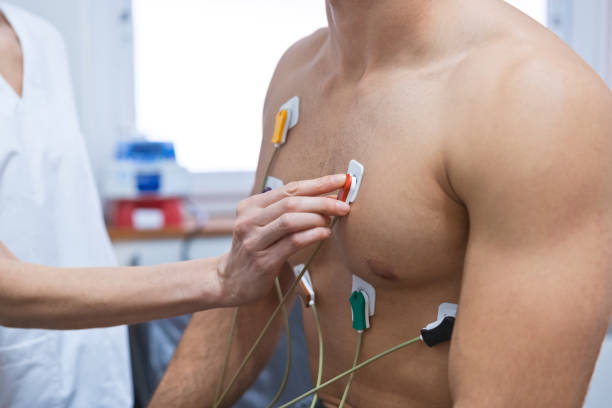
Using ten electrodes positioned on the chest and limbs, the system records twelve electrical views of the heart, typically over approximately ten seconds.
Its speed, non-invasive operation, and relatively low running costs make it suitable for emergency departments, routine examinations, preoperative assessments, and occupational health screening.
Resting ECGs can help clinicians identify certain arrhythmias, conduction abnormalities, and signs of cardiac ischemia.
However, because the recording captures only a short period, intermittent abnormalities may not appear during the examination.
Stress ECG Systems Support Exercise-Based Cardiac Evaluation
Stress ECG systems monitor the heart's electrical activity during controlled physical exercise, typically using a treadmill or stationary bicycle.
These examinations help clinicians assess cardiac responses to increased physical demand and may reveal abnormalities that are not apparent during resting measurements.
Unlike conventional resting ECG equipment, stress testing systems require additional capabilities, including motion-related noise filtering, continuous monitoring, exercise equipment integration, and blood pressure measurement.
Real-time ECG displays and appropriate safety monitoring are particularly important because clinicians must evaluate patient responses throughout the examination.
For facilities conducting exercise-based cardiac assessments, equipment reliability and coordinated monitoring functions are important considerations.
Holter Monitors Enable Continuous Rhythm Recording
Holter monitoring provides an alternative for patients whose symptoms occur intermittently and may not be captured during a short ECG examination.
These portable devices continuously record cardiac electrical activity, commonly for 24 to 48 hours, although some systems support longer monitoring periods.
Patients can continue many normal daily activities while wearing the recorder and may be asked to document symptoms for comparison with the recorded data.
Holter monitoring is commonly used when investigating frequent palpitations, unexplained dizziness, or the effectiveness of certain heart rhythm treatments.
For healthcare providers, efficient analysis software is an important part of the process.
Systems capable of organizing recordings, identifying potential abnormalities, and supporting technician review can help reduce the time required to interpret extended ECG data.
Event Monitors Provide Longer Observation Periods
For patients experiencing less frequent symptoms, event monitors and external loop recorders offer extended monitoring periods that may last several weeks.
These systems can capture ECG information when patients activate a recording or when automated detection identifies a potential rhythm abnormality.
Longer monitoring periods can increase the likelihood of documenting intermittent symptoms that might not occur during a conventional Holter examination.
Some modern devices also support remote data transmission, allowing clinicians to review recordings without waiting for the equipment to be returned.
This functionality can be particularly useful when evaluating infrequent palpitations or unexplained episodes of fainting.
PC-Based and Wireless ECG Systems Support Connected Workflows
The fifth category focuses on how ECG equipment integrates into a healthcare facility's technology infrastructure.
PC-based ECG systems use compact acquisition hardware connected to a computer rather than relying entirely on standalone machines with dedicated screens and printers.
This approach can support digital record management, software-based analysis, and integration with electronic medical record systems.
Wireless acquisition options may also reduce cable clutter and provide greater flexibility in environments where patient movement and workspace organization are important.
Norav Medical develops PC-based cardiac diagnostic platforms designed to support multiple ECG applications through integrated software environments.
Depending on system configuration, this approach can allow healthcare providers to manage resting ECG, stress testing, and ambulatory monitoring workflows using connected technology.
For facilities seeking to modernize their diagnostic infrastructure, compatibility with existing systems and the ability to manage different examinations efficiently can influence equipment selection.
Healthcare Facilities Evaluate ECG Equipment Based on Patient Needs
Choosing the appropriate ECG system involves assessing the types of patients a facility serves, the frequency of symptoms being investigated, and the requirements of its clinical workflows.
Primary care practices may prioritize dependable resting ECG equipment for routine assessments.
Cardiology clinics and hospitals often require a broader combination of resting, stress, and ambulatory monitoring capabilities.
Facilities should also consider software usability, reporting functions, staff training, maintenance requirements, and compatibility with existing electronic health record systems.
A more detailed overview of the types of ECG machines explains the applications and distinguishing features of each category.
Norav Medical Emphasizes the Value of Integrated ECG Technology
As cardiac diagnostic services continue to incorporate digital records and remote monitoring capabilities, healthcare organizations are increasingly evaluating how different ECG systems work together.
Norav Medical's approach to PC-based cardiac diagnostics reflects this emphasis on connected technology, with software integration supporting multiple testing applications.
Rather than selecting equipment solely according to individual examination requirements, facilities may benefit from considering how ECG recordings, analysis tools, and patient information move through their broader clinical systems.
For hospitals and clinics planning future equipment investments, selecting technology that
Contact Info:
Name: Norav Medical
Email: Send Email
Organization: Norav Medical
Website: https://noravmedical.com/
Release ID: 89210229
If you detect any issues, problems, or errors in this press release content, kindly contact error@releasecontact.com to notify us (it is important to note that this email is the authorized channel for such matters, sending multiple emails to multiple addresses does not necessarily help expedite your request). We will respond and rectify the situation in the next 8 hours.
Source: MarketersMedia



Leave a comment
Comments are closed on this post.