

Every year Samsung does this thing where they take an already good phone, make it slightly better in almost every way, and then charge you a little more for the privilege. The Galaxy S26 Ultra is no different. But hear me out, because this year there are actually a couple of genuinely new things going on here that make it worth talking about.
I’ve been using the Galaxy S26 Ultra as my daily driver for the past week and here’s what I think.
Design: Finally, It Fits in a Pocket Again (Sort Of)
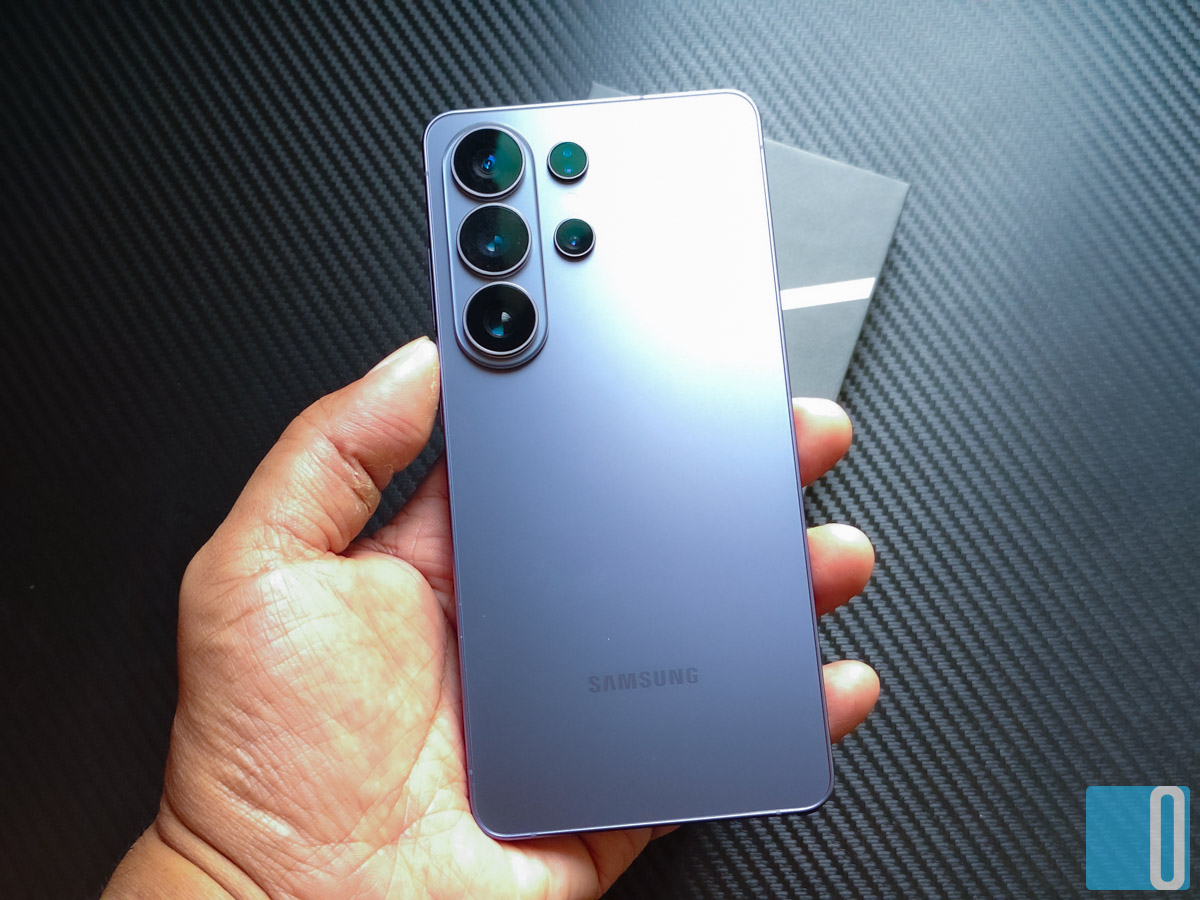
The first thing I noticed when I picked up the Galaxy S26 Ultra is how much lighter it feels compared to what I expected. At 214g, it’s the lightest Ultra model Samsung has ever made. Samsung ditched the titanium frame from the S25 Ultra and went back to Armor Aluminum 2, which honestly sounds like a downgrade on paper. In real life though? I dropped this thing onto a wooden floor by accident on day three and the chassis came out completely fine. No scratches on the frame, no cracks on the Gorilla Glass Armor 2 display. I’m not recommending you try this at home, but I’m also not complaining.
The dimensions are 163.6 x 78.1 x 7.9mm, and at 7.9mm thick it genuinely feels slim for a phone with this much camera hardware packed into it. The rounded frame is also a nice touch compared to the sharper edges of the S24 Ultra. After a full day of use your hand appreciates the difference.
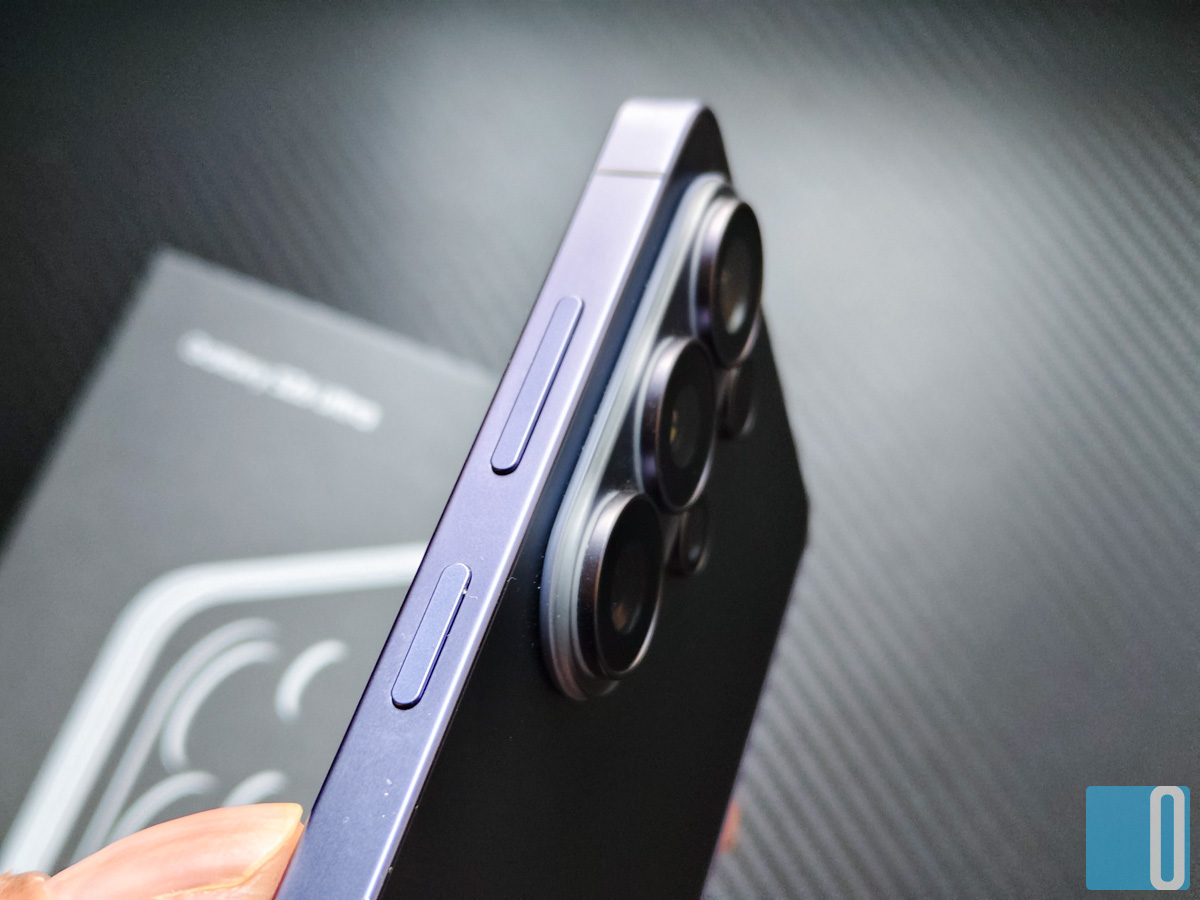
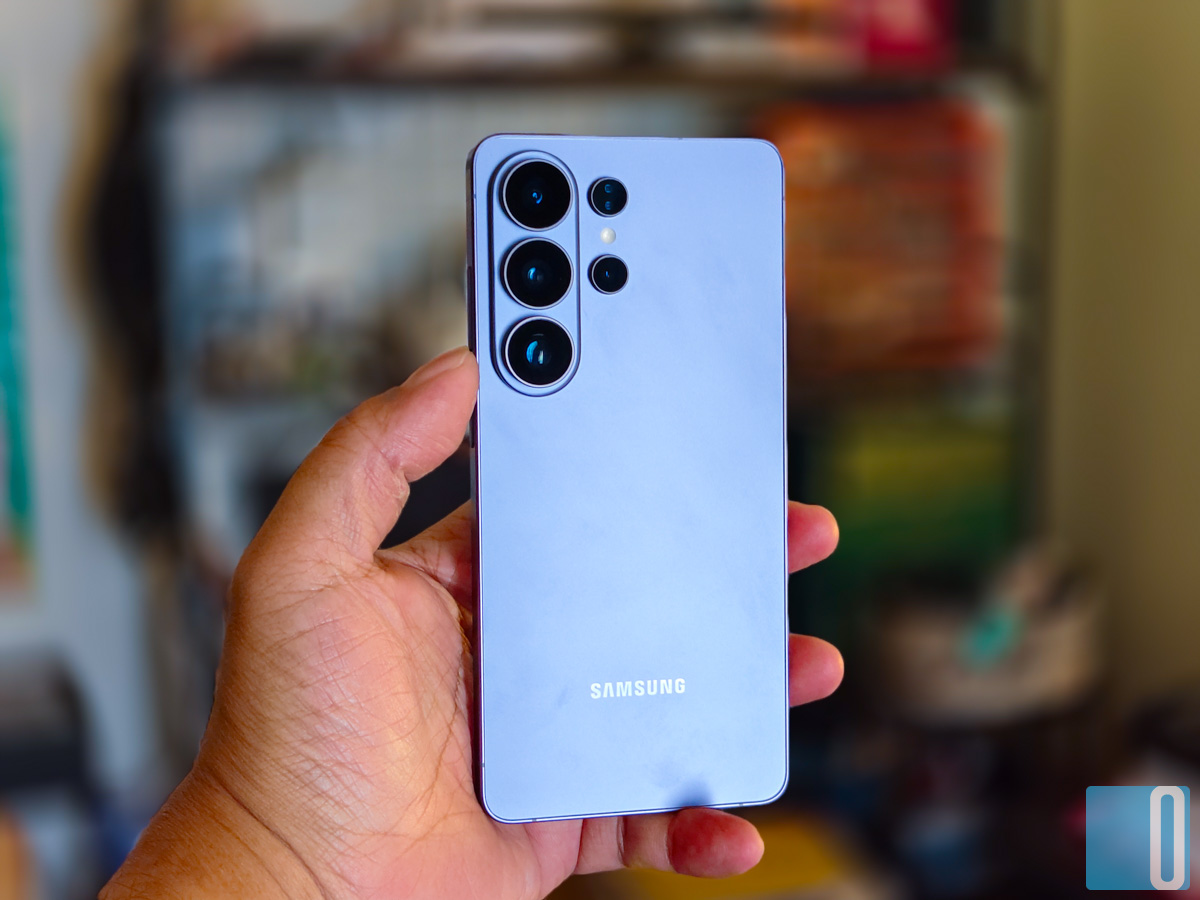
Colors available in Malaysia include Cobalt Violet (which is the hero color I’m using and honestly very nice looking), White, and Sky Blue.
One thing I do want to flag though, the camera island on the back is large enough that when you put the phone flat on a table, it wobbles. Every single time. If you’re the type who puts your phone on a table screen-up and then picks it up, you’ll deal with this wobble every single day. It’s a small thing but it is consistent and slightly annoying.
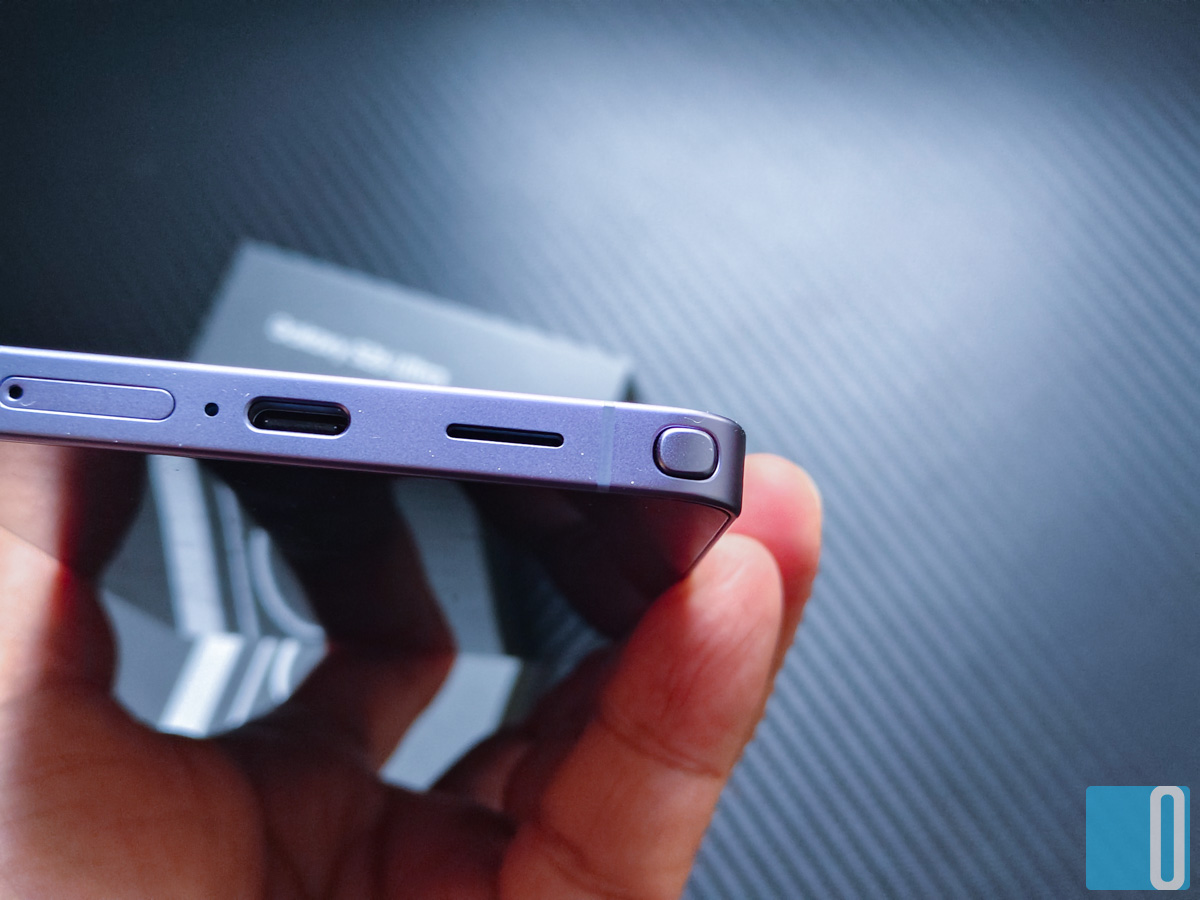
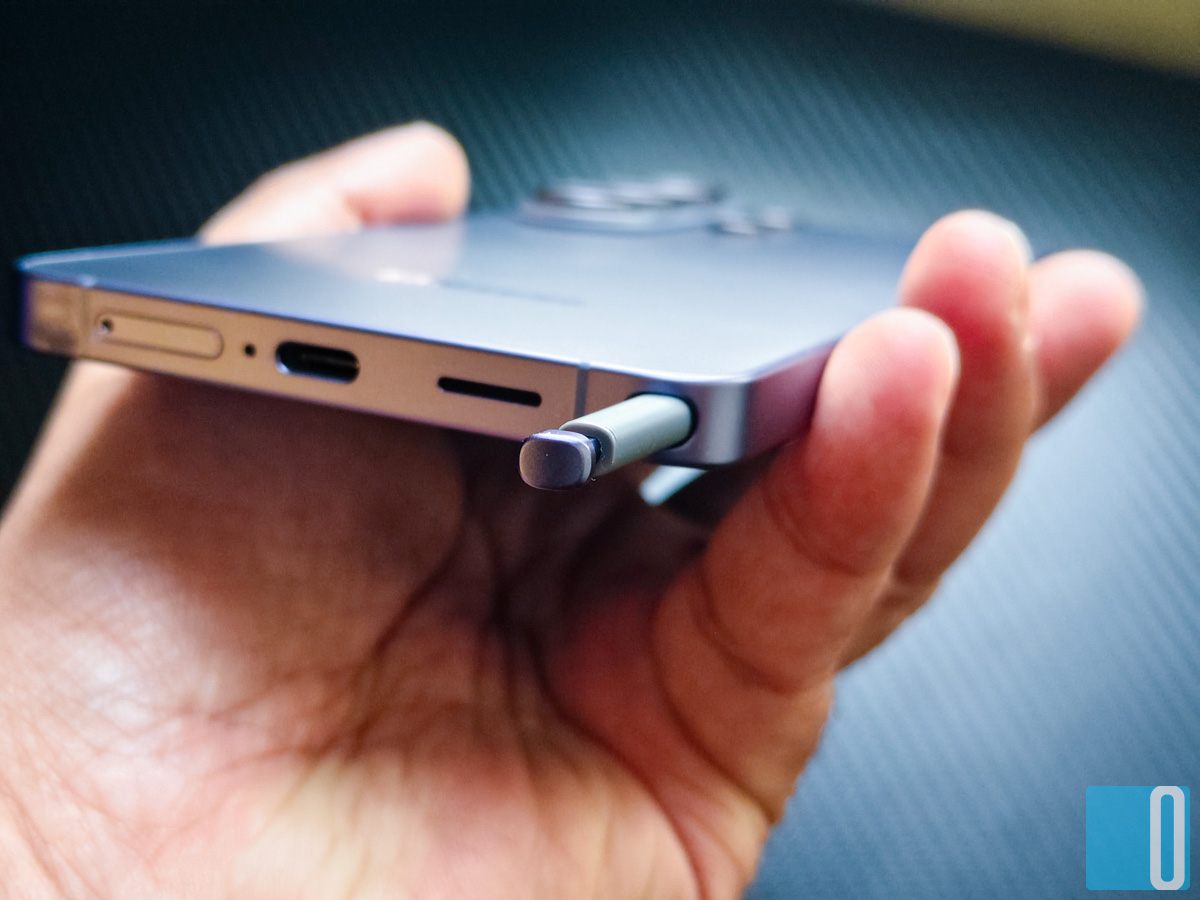
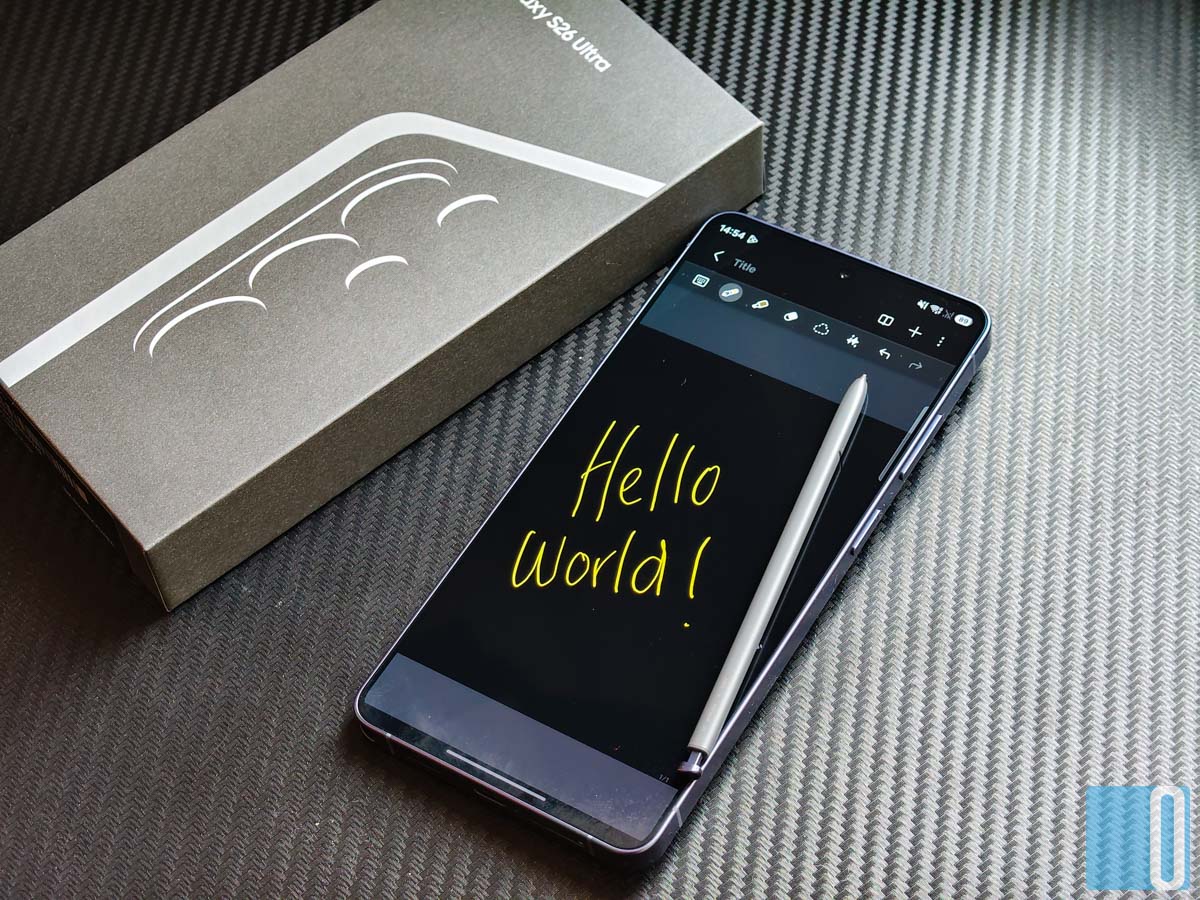
Oh, and the S Pen has been redesigned to be thinner with a slight curve to it. Which is great for writing. Less great because you have to insert it the “right way” for it to fit properly in the silo. I definitely jammed it in the wrong way at least twice before my hands learned the muscle memory.
Display: Bright, Beautiful, and Now It Keeps Your Secrets
The 6.9-inch Dynamic AMOLED 2X display with 3120 x 1440 resolution looks fantastic. 120Hz, 2,600 nits peak brightness. Under the Bangsar sun? Still very readable. No complaints there.
But the real conversation piece this year is the Privacy Display. This is a hardware-level feature, not just a software filter, that uses a 15-degree viewing angle to block anyone trying to shoulder-surf your screen. So if you’re sitting at a mamak entering your banking PIN or reading a message you’d rather not share with the table next to you, you can flip on Privacy Display and the people around you literally cannot see your screen clearly.
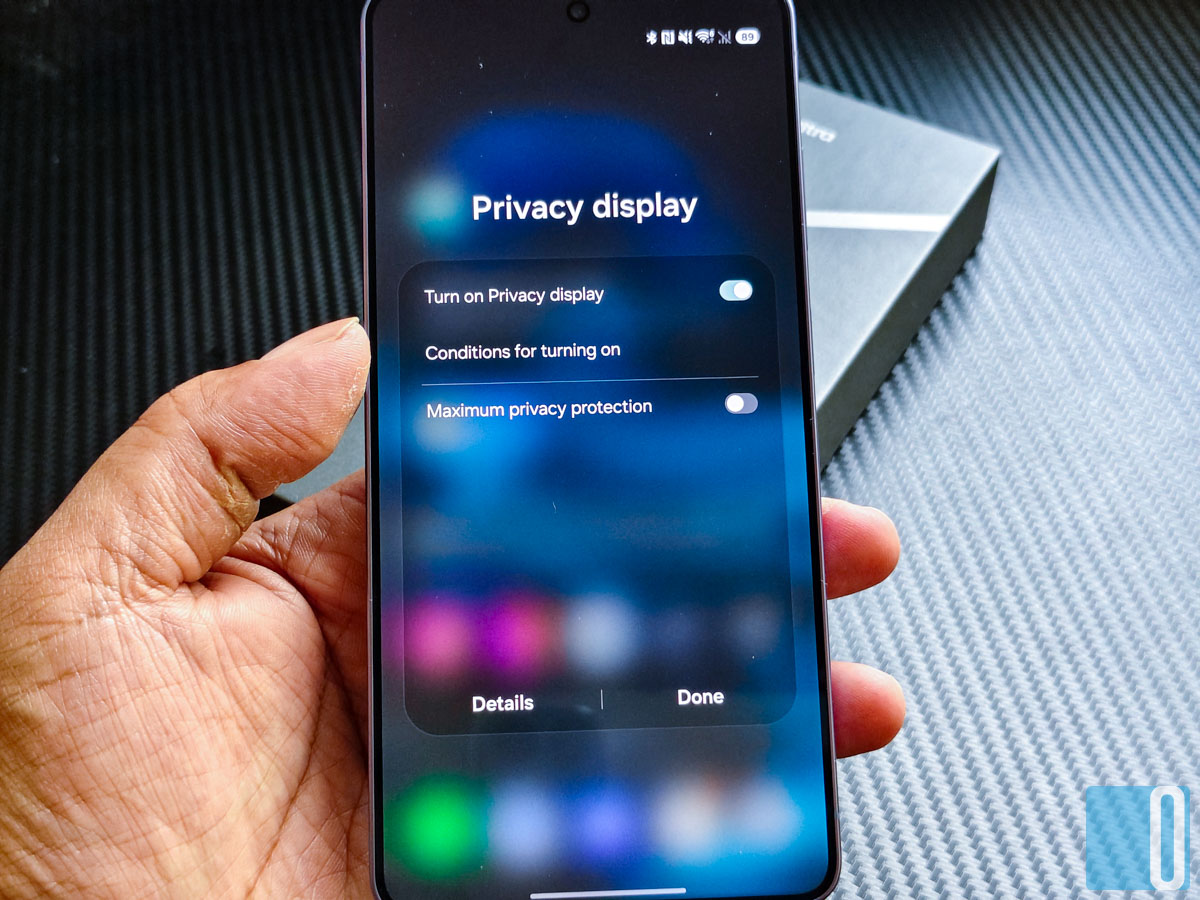
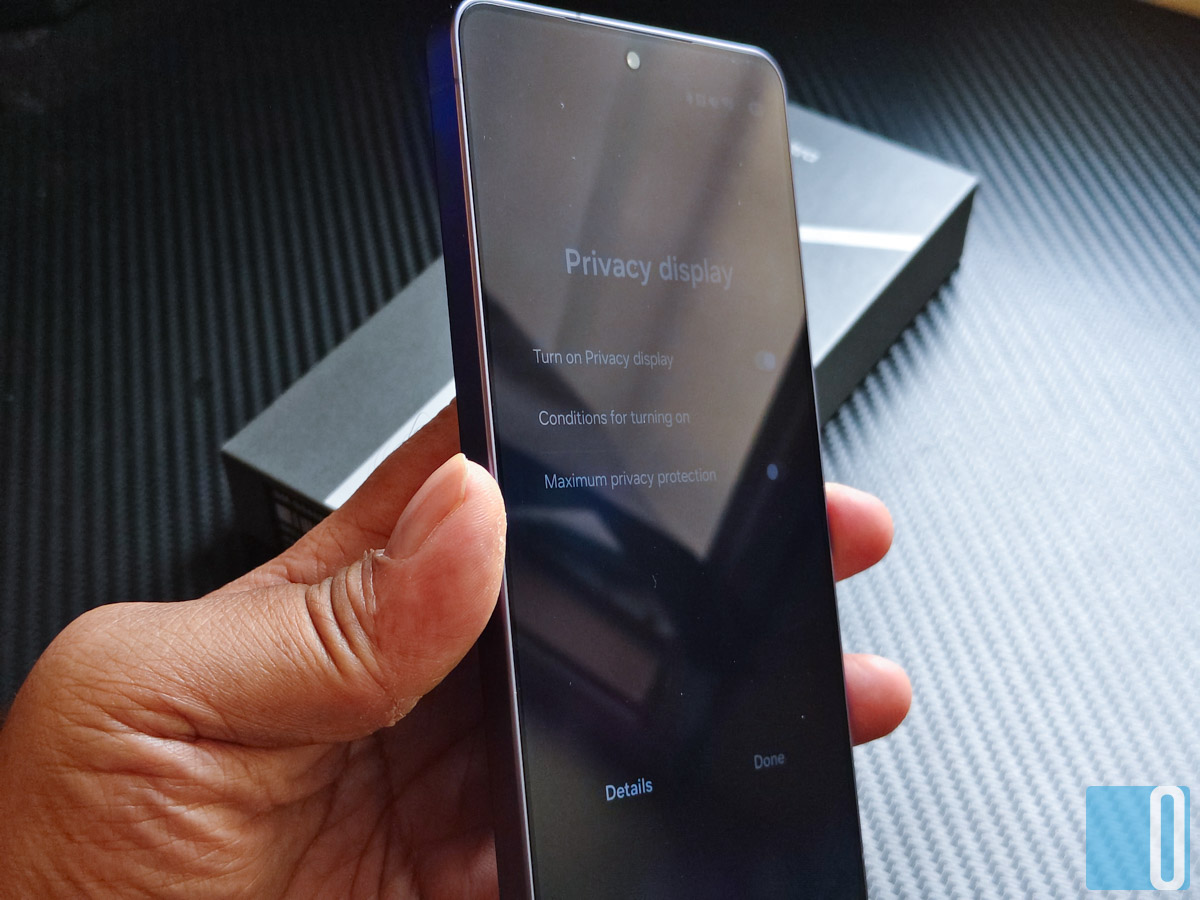
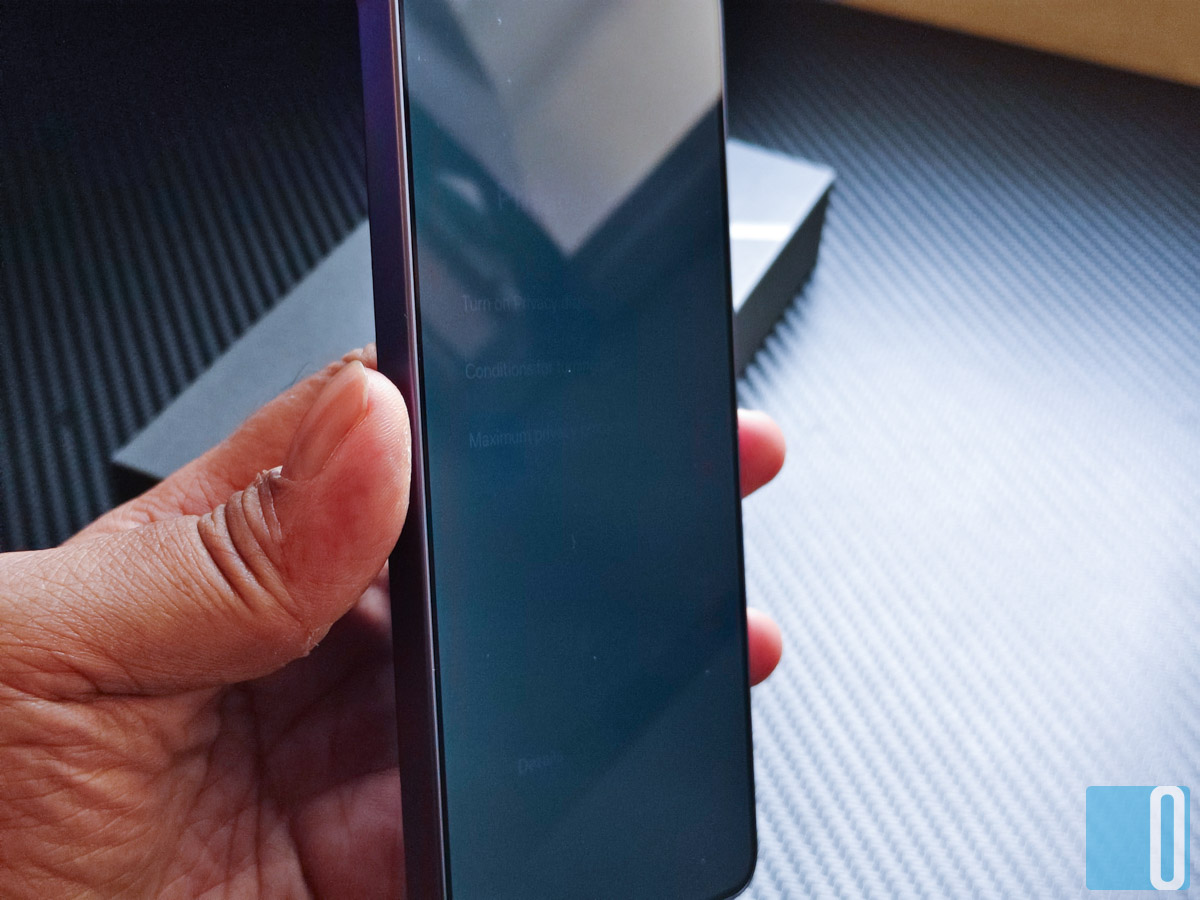
What makes it genuinely useful is that you can apply it selectively. It doesn’t have to be on for the entire screen. You can set it to activate only for specific apps, for notifications, for PIN and password entries, and so on. For anyone who commutes regularly on the LRT or works in open-plan offices, this is actually practical.
One thing worth mentioning. Some testers have noted that the anti-reflective coating is slightly less effective than on previous models. Under bright studio lighting it produces a white spot rather than the purple spot from older models. I didn’t find this to be a major issue in daily use but it’s worth noting if you’re coming from an S24 Ultra and wondering why the screen looks slightly different under certain lights.
There’s also been some discussion about the panel being 8-bit rather than 10-bit, using Frame Rate Control to simulate 10-bit color. This won’t matter to most people, but if you’re a video professional expecting a true 10-bit display you should know this going in.
Performance: Yes, It’s Fast. Like, Very Fast.
The Snapdragon 8 Elite Gen 5 for Galaxy inside the Galaxy S26 Ultra runs the prime core at 4.74GHz, which is faster than the standard Snapdragon 8 Elite Gen 5 at 4.61GHz. On paper this translates to 19% better CPU, 24% better GPU, and 39% better NPU performance compared to the S25 Ultra.
In practice, I played PUBG Mobile on ultra high settings for over an hour and the phone stayed warm but never uncomfortably hot. Video editing in CapCut with 4K footage was quick. Multitasking across a dozen tabs in Chrome with Spotify running in the background? No hesitation at all. This phone handles everything you throw at it without even flinching.
The thermal management has been redesigned with a new thermal interface layer, which helps keep things from getting too toasty during long gaming sessions. Benchmarks from other reviewers show temperatures averaging around 43 to 45 degrees during stress tests with a 68.4% stability score. That’s hot but within acceptable limits.
Software-wise, you get Android 16 with OneUI 8.5 and Samsung’s commitment to 7 years of OS and security updates. Bixby has also gotten a proper upgrade with natural language comprehension. You can now say “why is my phone so quiet” and Bixby will suggest relevant solutions rather than just opening the volume slider. It pulled up my Google Calendar appointments when I asked about next week’s meetings. Genuinely useful.
The one disappointment for Malaysian users: Bixby still doesn’t support Bahasa Malaysia. Supported languages are Korean, English, Chinese, Spanish, French, German, Italian, Portuguese, and Japanese. So for most of us it’s English-only, which works fine but feels like a missed opportunity for a phone priced at RM5,999.
On battery, Samsung kept the 5,000mAh cell but improved charging. 60W wired charging gets you to 75% in about 30 to 35 minutes, and wireless charging is now at 25W. Battery life in benchmarks hits around 16 to 17 hours, which in real-world use means easily lasting a full day of heavy usage including photography, social media, and a couple of gaming sessions.
Camera: Still One of the Best, Now With More Light
The main 200MP sensor with f/1.4 aperture takes in 47% more light than its predecessor. Low-light photos look noticeably cleaner, with less noise and better detail retention. The “Nightography” Samsung loves to talk about is legitimately impressive here.
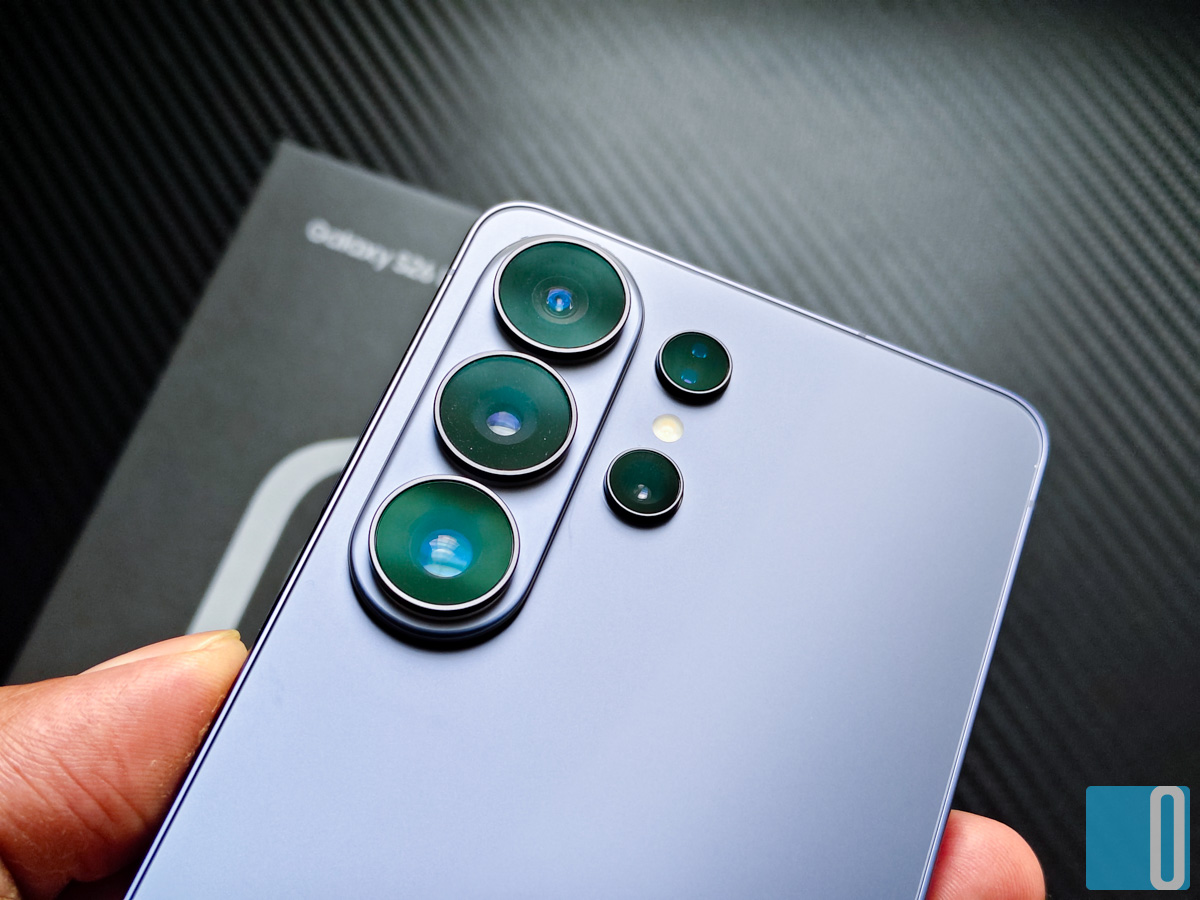
For zoom you get a 50MP f/2.9 lens at 5x optical zoom (improved from f/3.4 on the S25 Ultra) and a 10MP f/2.4 at 3x optical zoom. The 5x lens improvement in aperture is welcome for low-light zoom shots, though the longer minimum focus distance means macro shots at 5x are now trickier than before. Something to keep in mind if close-up product photography is your thing.
The ultrawide is a 50MP f/1.9 with PDAF, and the selfie camera is 12MP f/2.2 with PDAF. Space Zoom goes up to 100x for stills and 25x for video.
Photo samples
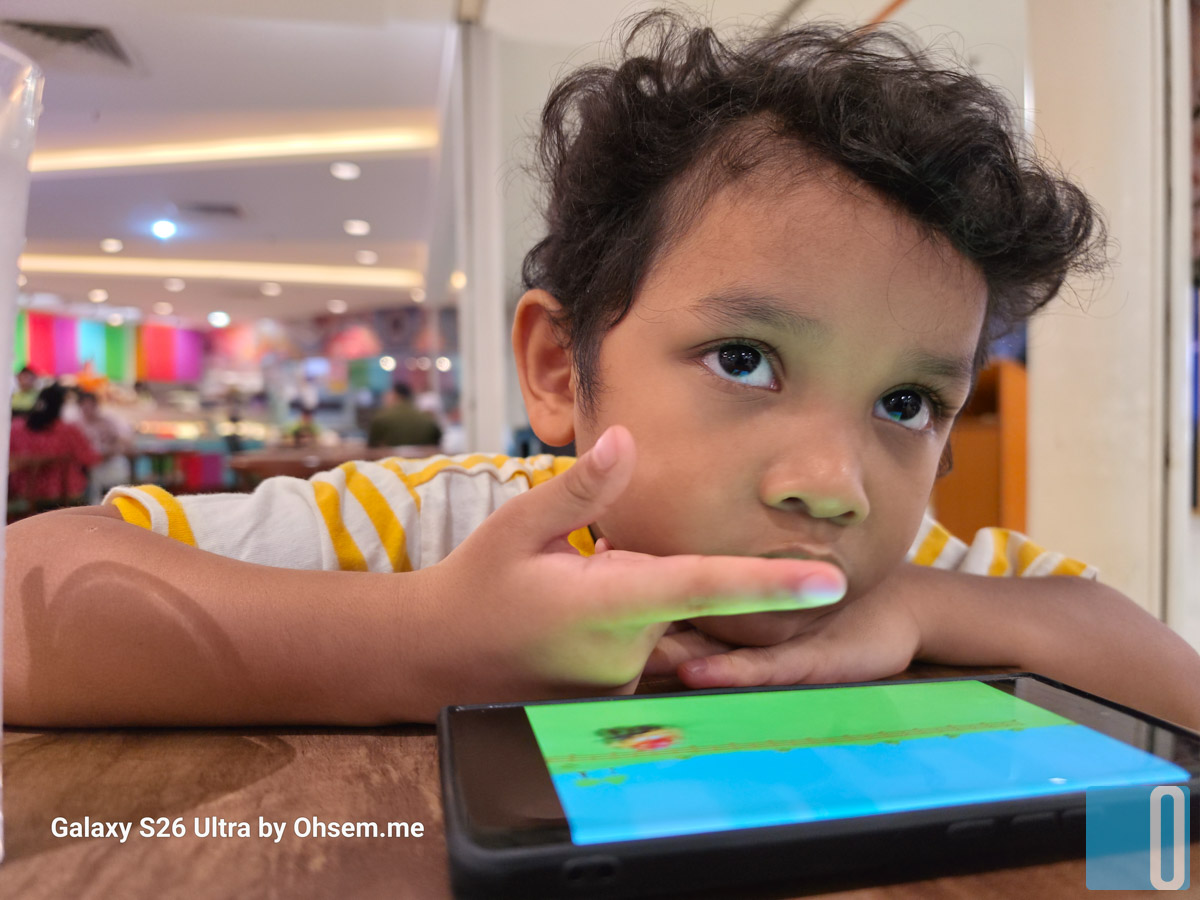
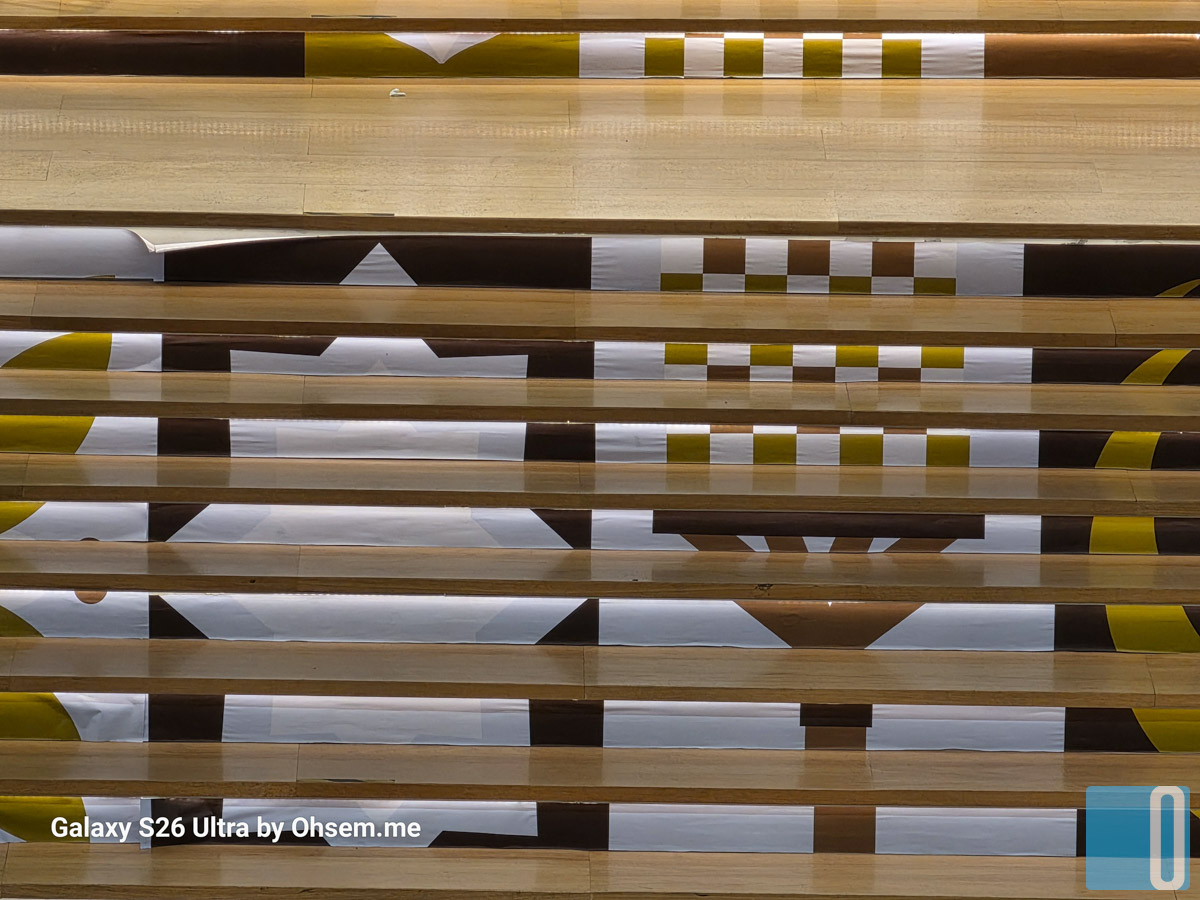
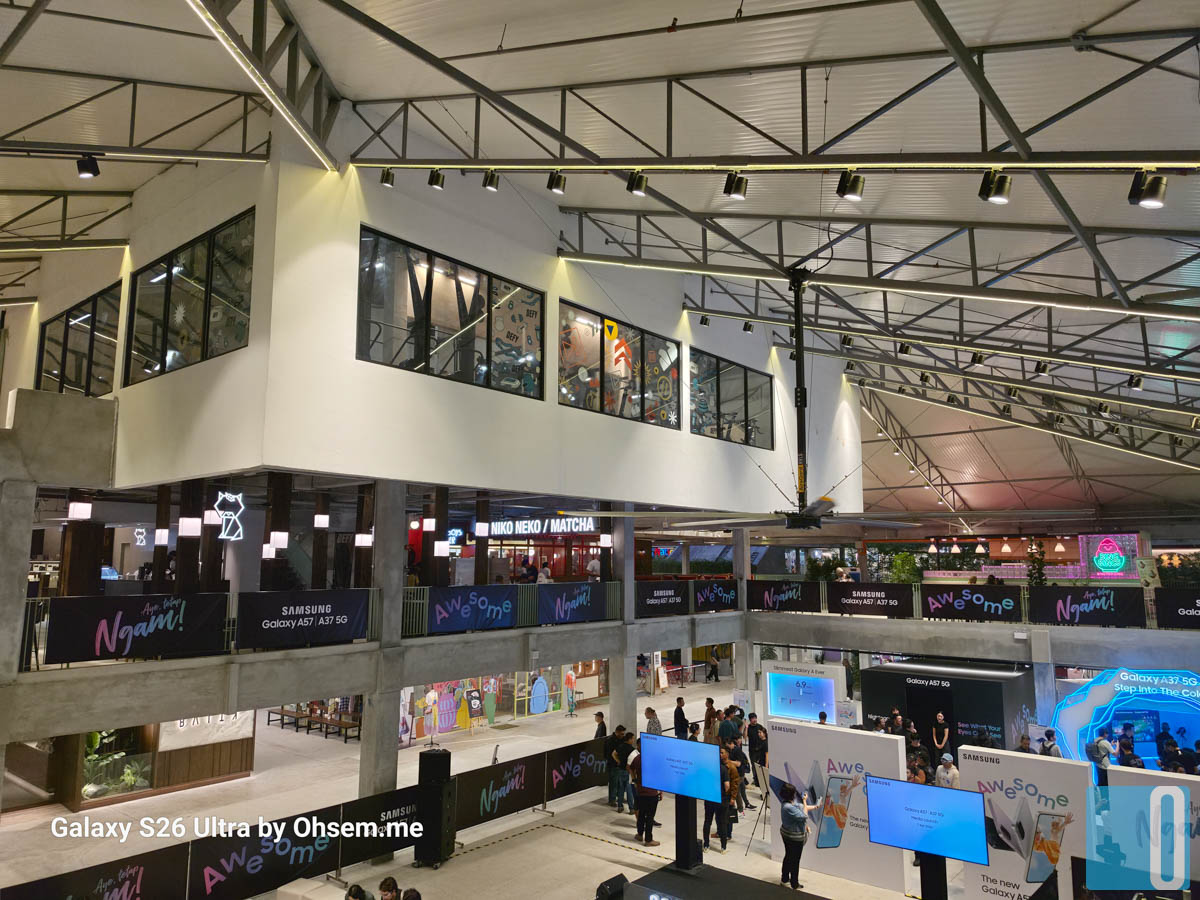
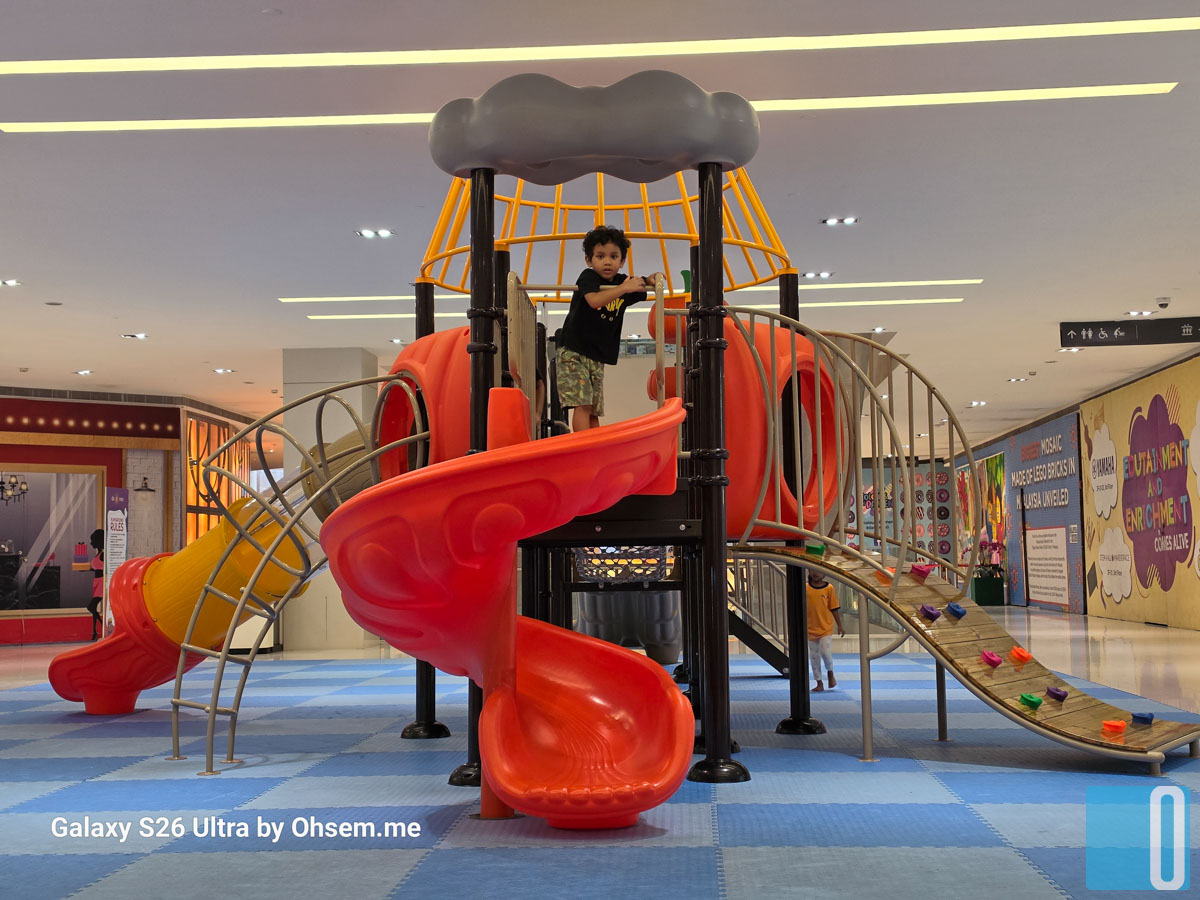
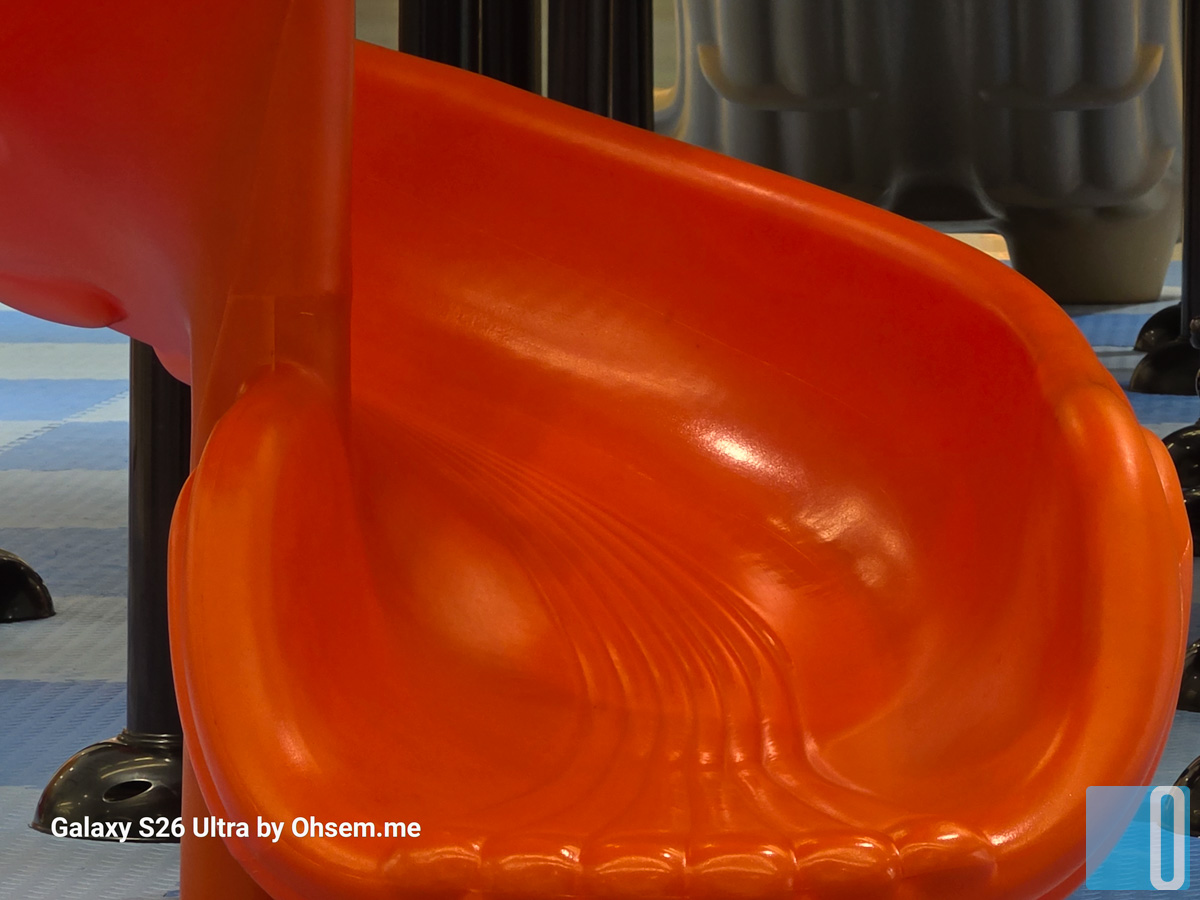
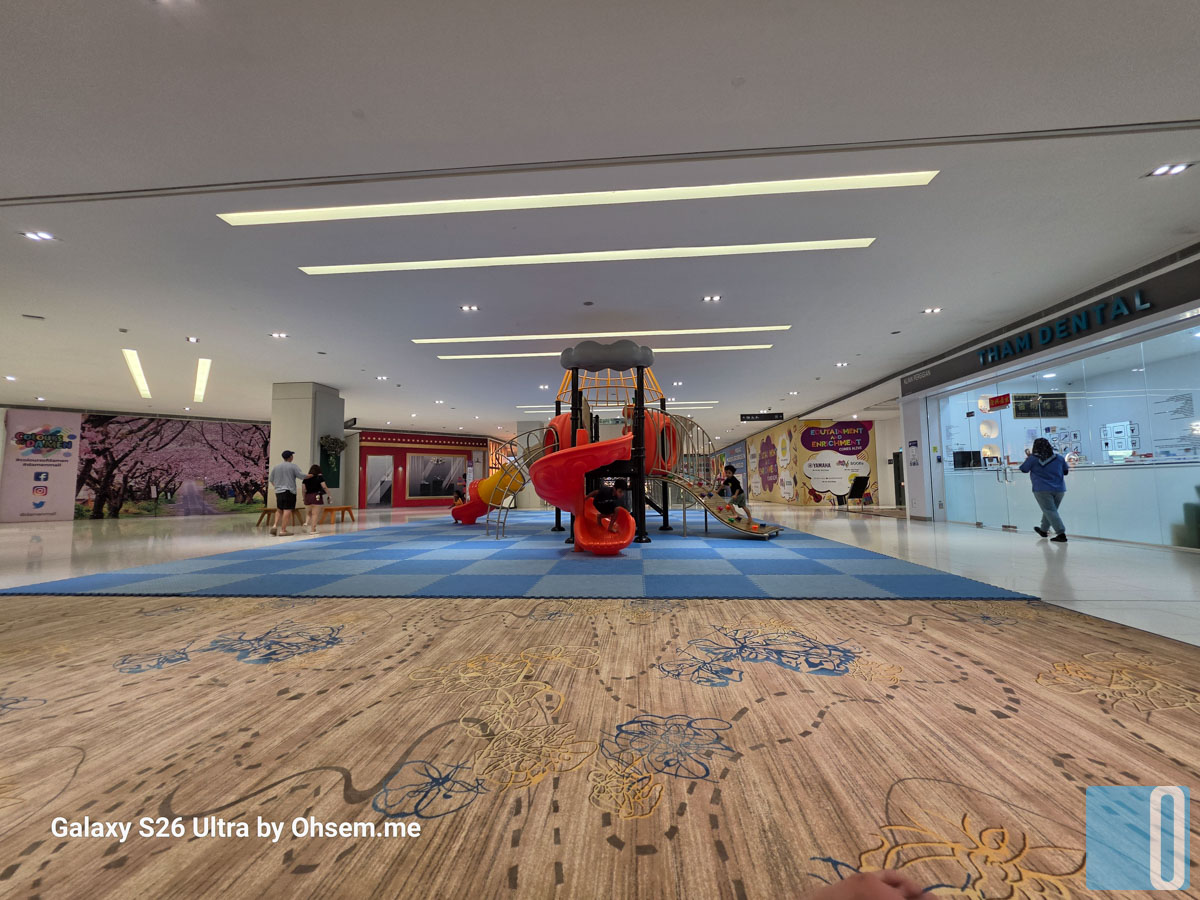


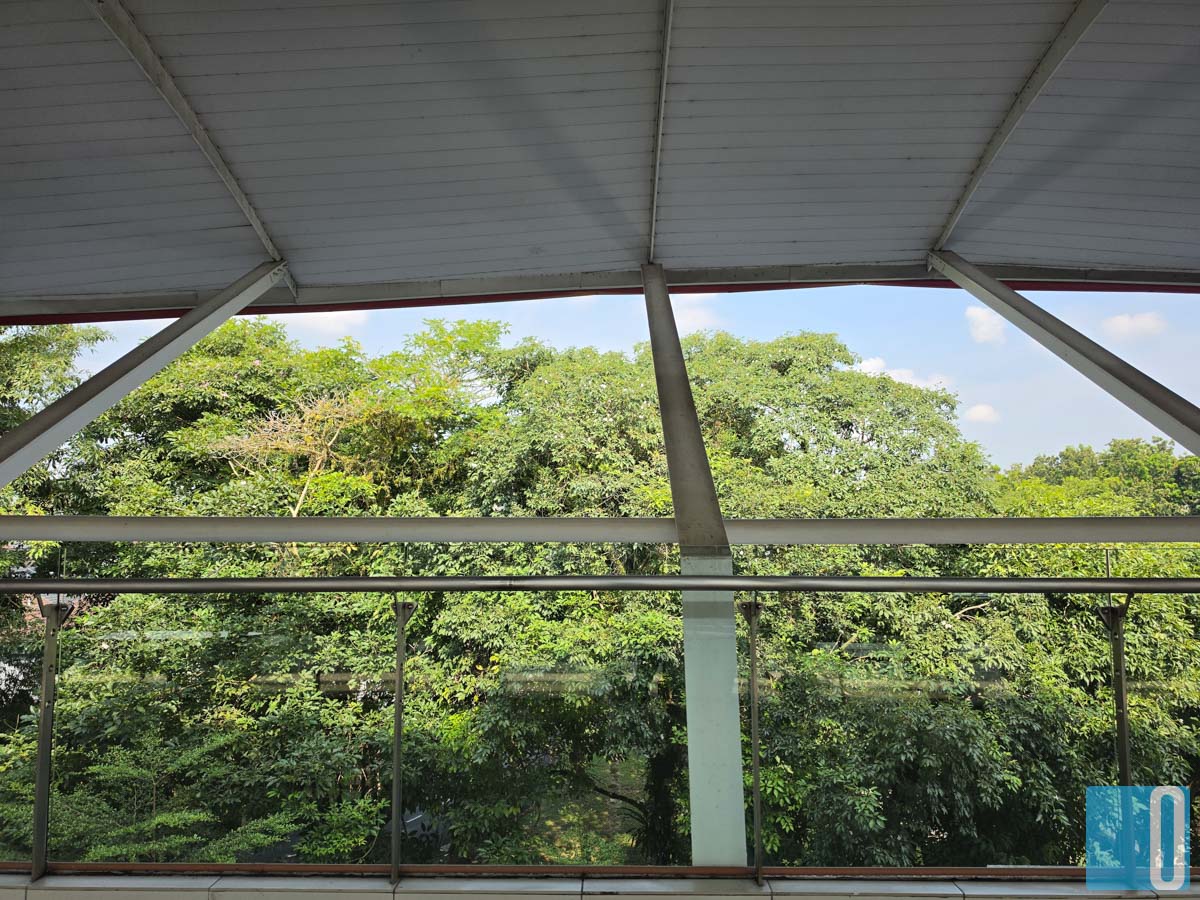

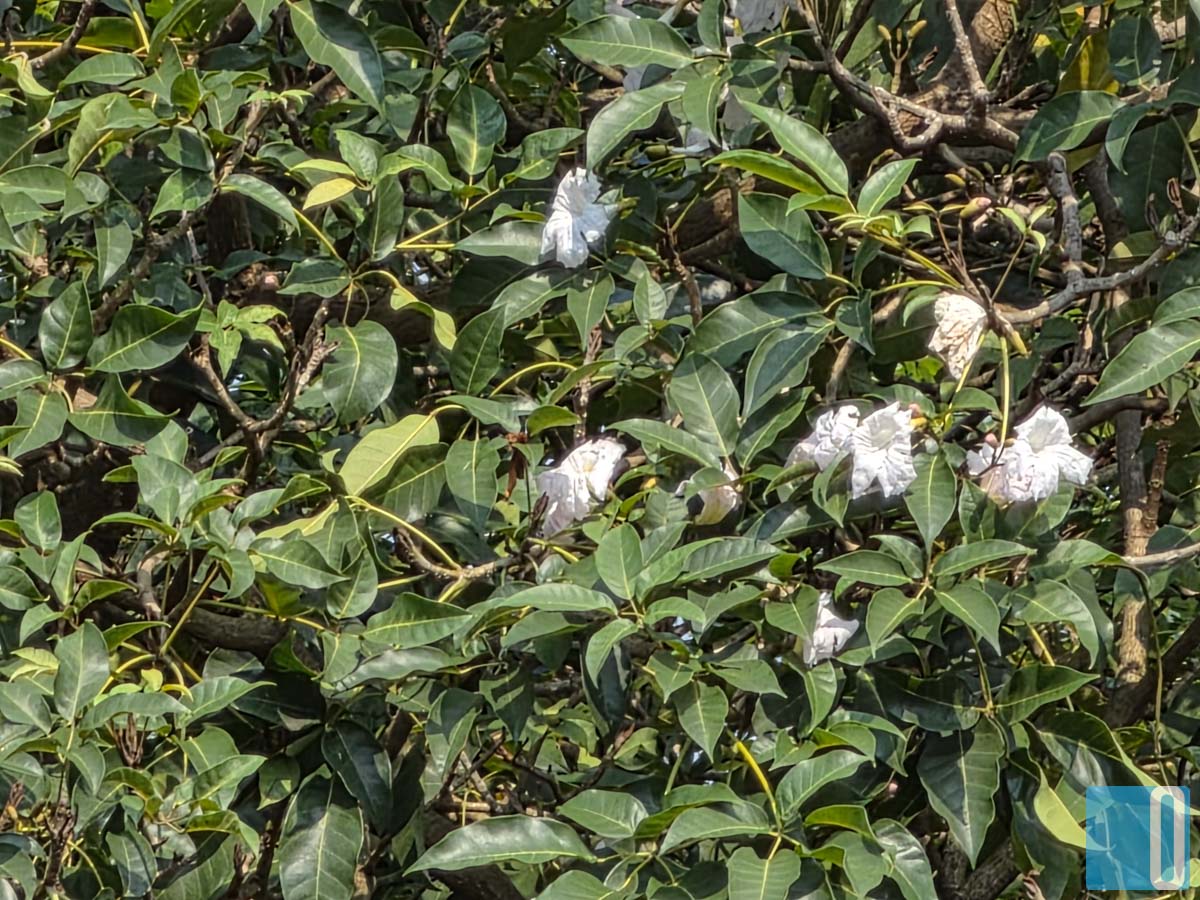

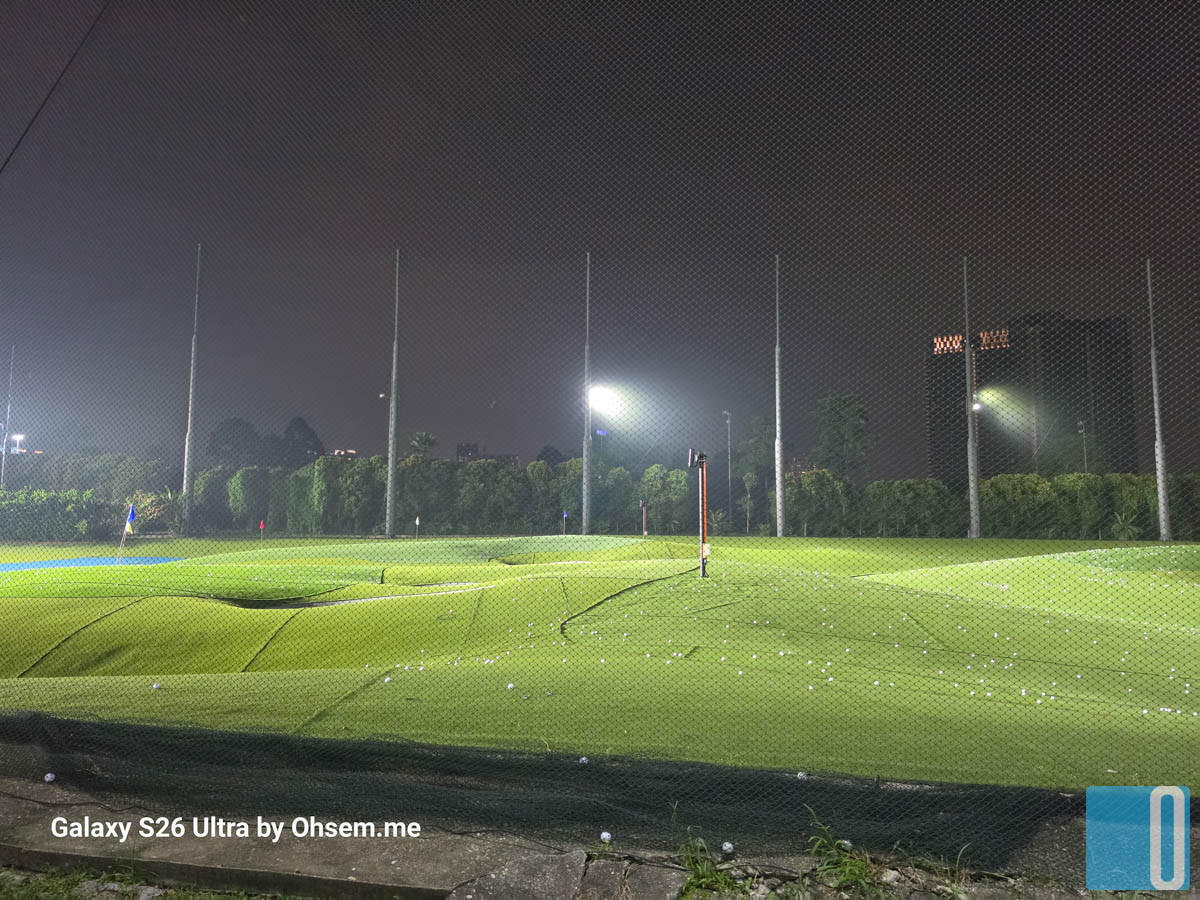
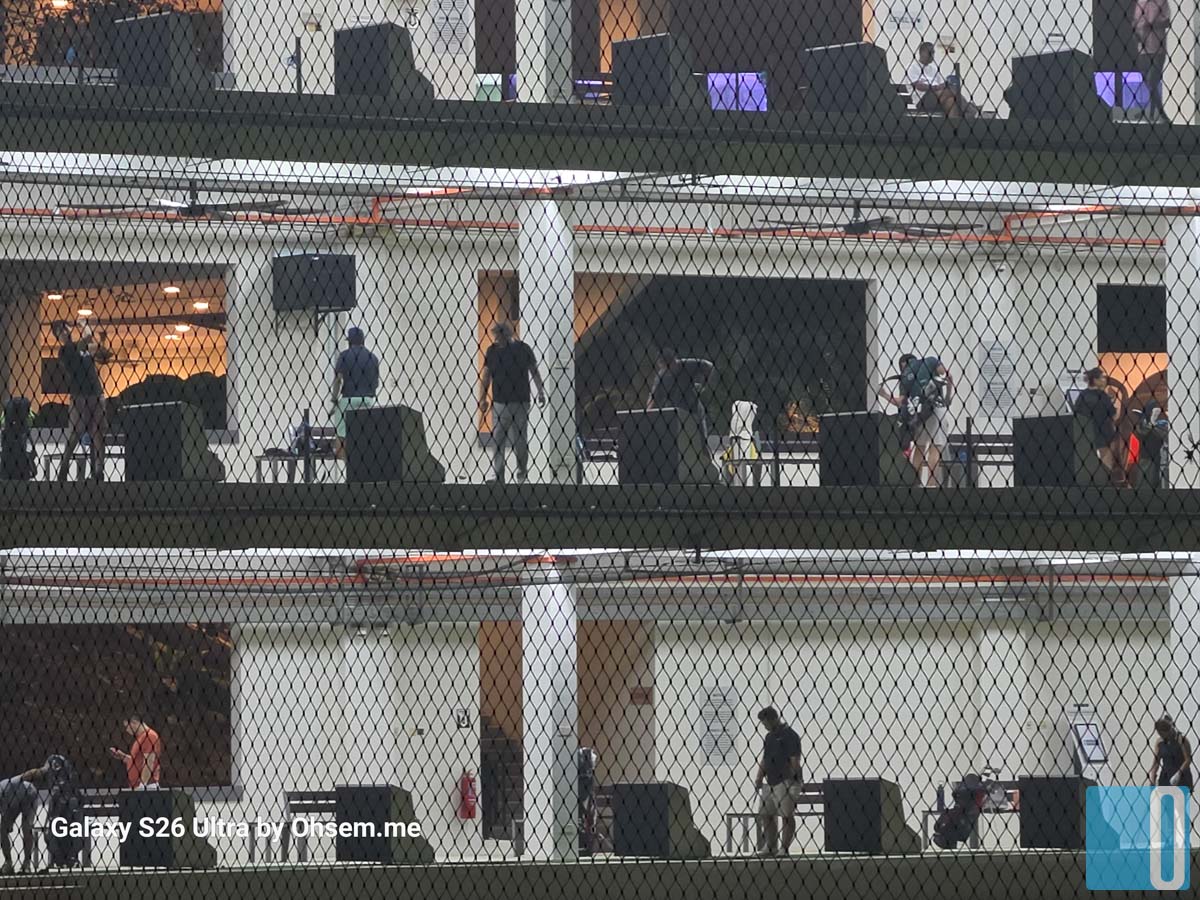
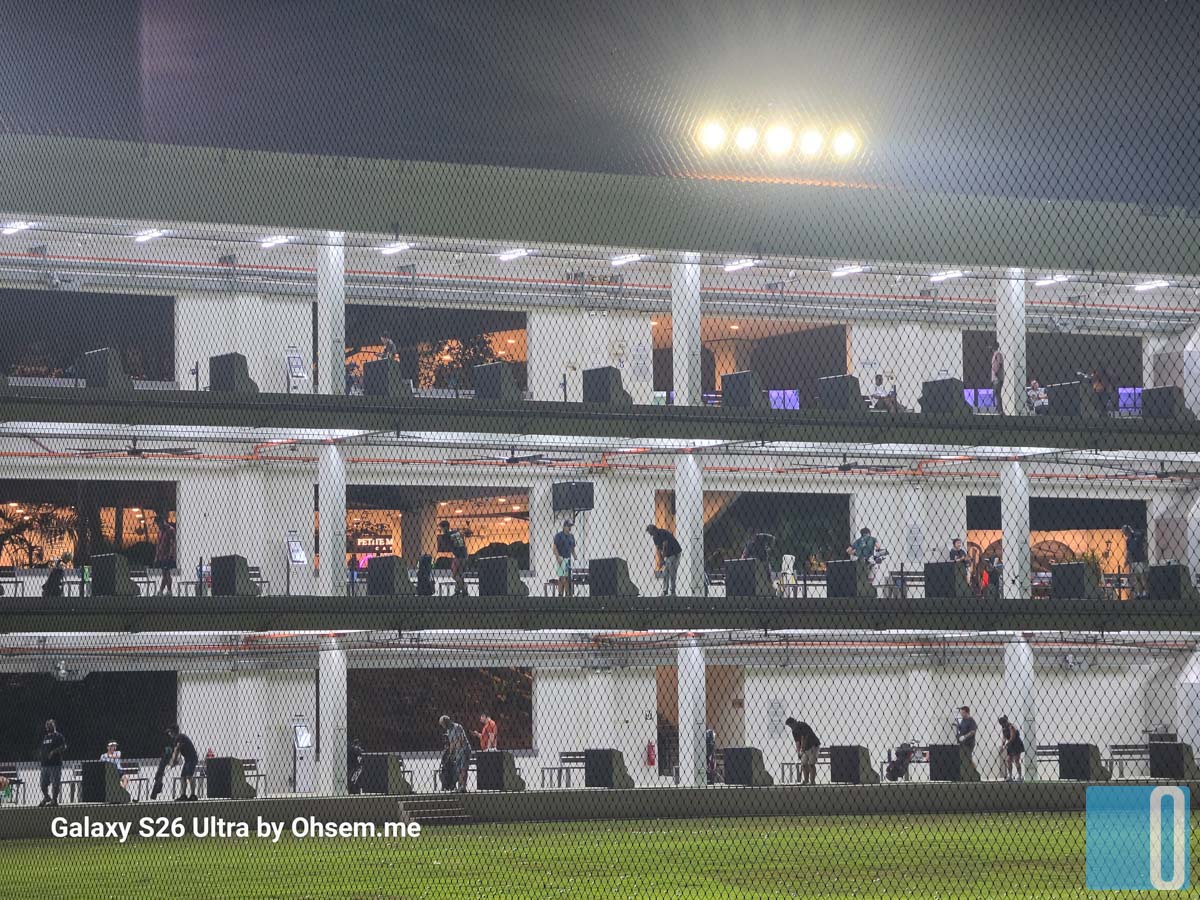
Video is where things get interesting this year. The Galaxy S26 Ultra is the first smartphone to support the APV (Advanced Professional Video) codec, which is essentially Samsung’s answer to Apple’s ProRes. It’s visually lossless and supports 8K at 30fps and 4K at 120fps. You can also record natively in LOG format for color grading, and there are “Blockbuster LUTs” built in for a more cinematic look straight out of the camera.
The file sizes with APV are huge, which is why Samsung also added support for direct recording to external SSDs via the USB 3 port. If you’re serious about mobile videography, this is a meaningful upgrade.
Super Steady mode with Horizontal Lock deserves its own conversation because this feature genuinely impressed me. Here’s the idea. When you’re filming video, the phone uses the 200MP main sensor to lock the horizon in place no matter what you do with the physical orientation of the phone. You can tilt it sideways, rotate it a full 360 degrees, hand it to your friend who doesn’t know how to hold a phone properly. The footage stays level. The horizon doesn’t move.
The way it works is clever. Because the 200MP sensor has so much resolution to work with, Samsung crops into the frame and uses the extra pixels as a buffer to perform real-time stabilization and rotation correction. The result is footage that looks like it was shot on a gimbal, without you actually needing one.
Think about how often this is useful in practice. You’re at a concert and you start filming landscape but then the crowd around you shifts and your arm gets jostled. You’re on a hiking trail and you naturally tilt the phone as you walk. You’re filming your kid’s sports event from the stands and you’re switching between clapping and filming. In all of these situations, Horizontal Lock just quietly handles the problem in the background and your video comes out looking intentional.
For content creators this is a big deal. A decent smartphone gimbal costs anywhere from RM150 to over RM400 and it’s one more thing you have to carry, charge, and set up before you can shoot. Horizontal Lock doesn’t fully replace a gimbal for complex movement shots, but for everyday event coverage and social media content it absolutely closes the gap. If you’ve been debating whether to buy a gimbal, this feature might settle that debate for you.
The one caveat is that because it’s cropping into the 200MP sensor to perform the stabilization, you’re not getting the full field of view you would in a standard recording mode. But given the insane resolution of that sensor, the crop is still more than generous enough to produce excellent quality footage.
So Should You Buy the Samsung Galaxy S26 Ultra?
Here’s where I stand on this. If you’re on an Galaxy S23 Ultra or older, this is a clear and obvious upgrade. The performance jump, the camera improvements, the display, the battery life, the charging speed. All of it adds up to a phone that’s meaningfully better in ways you’ll notice every day.
If you’re on an S25 Ultra, it’s harder to justify. The improvements are real but incremental. The Privacy Display is genuinely new and useful, the APV video codec is exciting if you shoot a lot of video, and the lighter weight is noticeable. But it’s not the kind of generational leap that makes your S25 Ultra feel old.
Pricing in Malaysia:
- 256GB: RM5,999 (same price as the S25 Ultra)
- 512GB: RM6,799 (RM200 price hike from last year)
- 1TB: RM7,999 (RM800 price hike from last year)
The 256GB variant holding the line at RM5,999 is a solid move. The 1TB price hike is a bit steep if you wanted maximum storage, but realistically most people will be fine with 256GB or 512GB.
For the Android space in 2026, there isn’t really a stronger all-rounder than this. It’s not perfect, the camera wobble is annoying, the S Pen insertion quirk will get you at least a few times, and Bixby in Bahasa Malaysia would have been nice. But as a daily driver that handles everything from productivity to photography to gaming? It’s excellent.
More info: https://www.samsung.com/my/smartphones/galaxy-s26-ultra/